– Why the Fuzzy Workaholic Is Even More Important Than the Bee
The Busy Bumblebee – What We Can Do for Her at Fresopolis
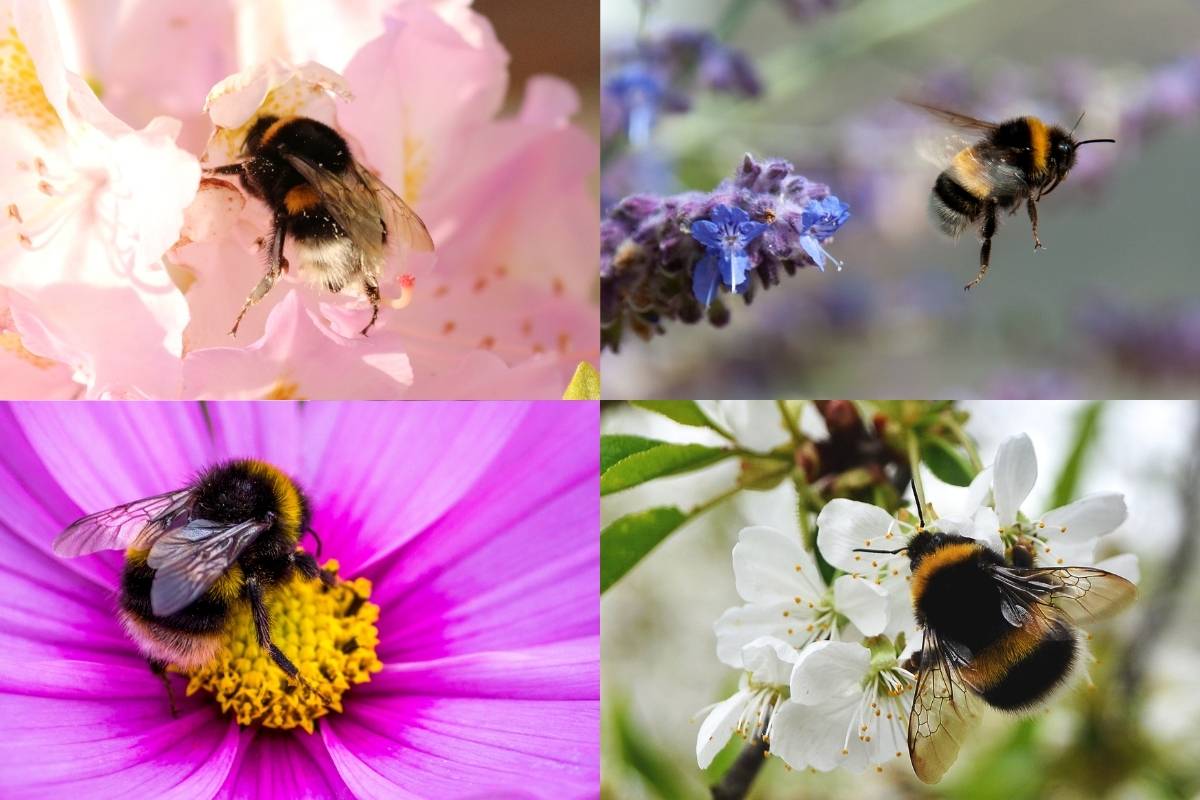
Imagine an insect that works 18 hours a day, visits up to 4,000 flowers, and does it all at temperatures as low as 2°C – even in rain and wind. This incredible performance is not accomplished by the proverbial busy bee, but by the often underestimated bumblebee. Bumblebees are a subgroup of wild bees. They are therefore a specific type of bee known for their fluffy hair and loud flight. It’s time to give this fuzzy workaholic the attention she deserves!
Why Bumblebees Are the True Superheroes of Pollination
The workaholic among pollinators
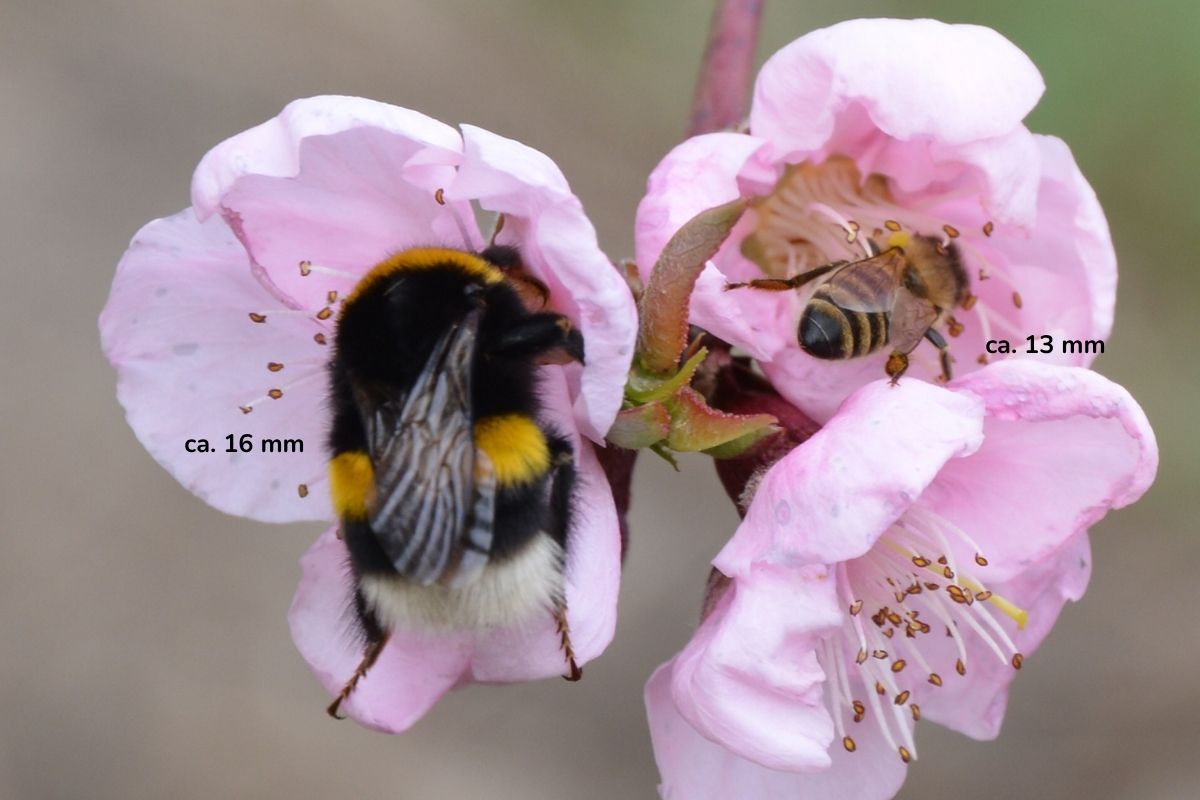
While honey bees only start flying at 8-15°C and prefer to stay in the hive in bad weather, bumblebees are true all-weather pros. Bumblebee queens can fly at 2°C, their workers from 6°C. They owe this robustness to their built-in heating: by shivering with their flight muscles, they warm up their bodies to the required 30°C.
The numbers speak for themselves:
- Working hours: 18 hours daily vs. temperature-dependent honeybees
- Flower visits: 3,000-4,000 per day vs. considerably fewer honeybees
- Nectar collection: up to 12 times more per insect than honeybees
- Pollen transport: Much more efficient thanks to dense fur all over the body
The Secrets of Buzz-Pollination
Bumblebees have a secret weapon bees lack: ‘buzz pollination’ or vibrational pollination. With frequencies of 400-500 Hz, they make their flight muscles vibrate, literally shaking the pollen out of flowers.
This technique is especially important for nightshades such as tomatoes, eggplants, and potatoes, which can hardly be pollinated without these vibrations. This not only produces bigger and more uniform fruits, but they also have more vitamins and a higher market value.
The Mallorca Connection: Bombus terrestris lusitanicus
On Mallorca, a very special bumblebee lives: Bombus terrestris lusitanicus, the Iberian subspecies of the buff-tailed bumblebee. This Mediterranean variant has perfectly adapted to the island and works all year round to pollinate Mediterranean plant species.
While Germany is home to 36 different bumblebee species, Mallorca’s bumblebee fauna focuses on just a few, but all the more important, species. Longer periods of activity due to the milder climate make these bumblebees indispensable partners for olive groves, garrigue, and maquis habitats.
Why Bumblebees Are Climate Protectors
This gets especially exciting for us Earth Guardians: A single bumblebee colony binds about 60 tons of CO₂ per year through pollination! How does that work? Bumblebees enable the reproduction and growth of plants through their efficient pollination, which then bind CO₂ from the atmosphere.
This natural CO₂-binding is exactly what we need for a positive Earthprint. While big corporations are responsible for 52% of global CO₂ emissions, by promoting bumblebees we can actively bind more CO₂ than we produce.
What We Can Do for Our Bumblebee Heroes at Fresopolis
1. The Year-Round Bumblebee Buffet
Plant a flower-rich diversity from March to October:
- Early bloomers: Crocuses, winter aconites, and pussy willows for the first queens
- Summer perennials: Lavender, rosemary, sage – Mediterranean favorites of Mallorca’s bumblebees
- Late summer power: Autumn asters, sunflowers for young queens before hibernation
- Create wildflower strips: 1-2 meter wide borders with native species like red clover, borage, and Mediterranean herbs
2. Deluxe Bumblebee Hotels
Create natural nesting sites:
- Ground nesting areas: Keep loose, poor soils under hedges free
- Piles of leaves and compost: Layered heaps as wintering quarters
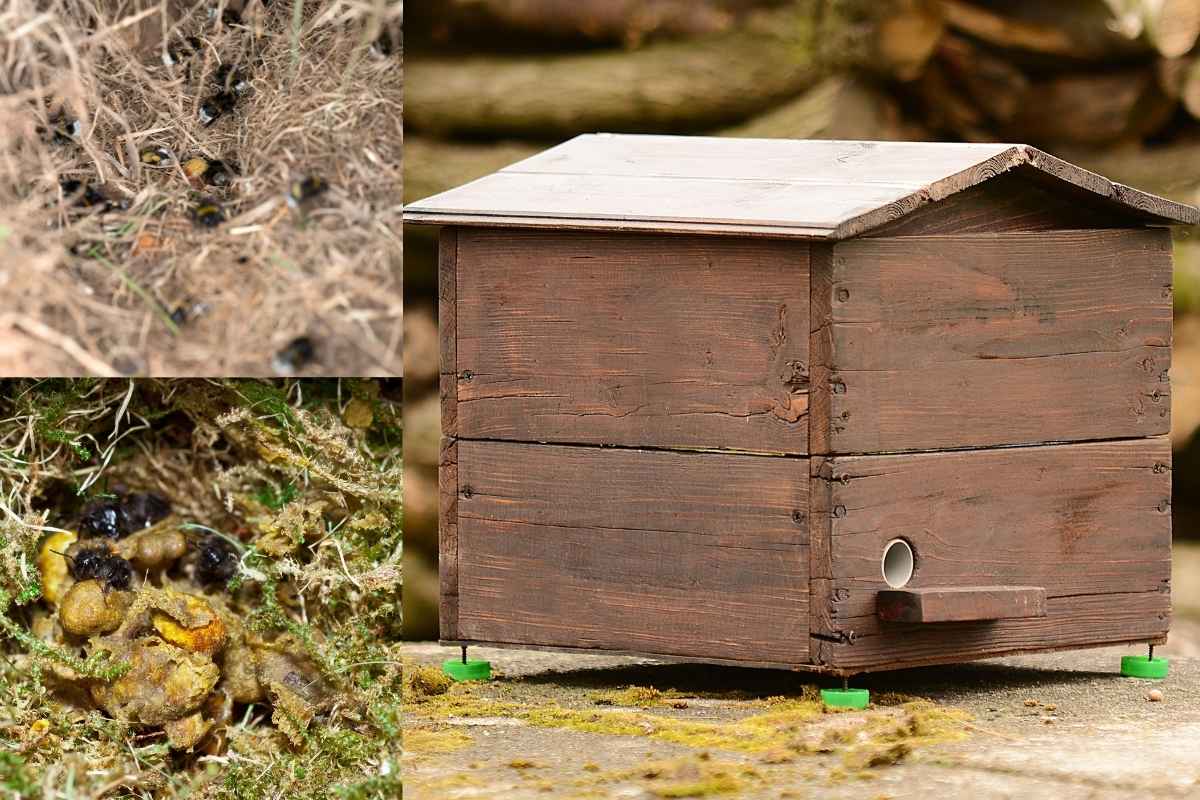
- DIY nest boxes: Upside-down clay pots with dry grass, half-buried
3. Bumblebee-Friendly Management
Moving strategies:
- Partial mowing: Mow only half the flower strips in June, the rest in September
- Closed seasons: No mowing in nesting areas from April to July
- Habitat variety: Leave wild corners with different heights
- Pesticide-free zone: Absolutely no pesticides – bumblebees are extremely sensitive to neonicotinoids.
What YOU Can Do for the Bumblebee Revolution
Become a Bumblebee Hero on Your Balcony
Even the smallest balcony can become a bumblebee fueling station:
- Bumblebee-friendly herbs: Oregano, thyme, savory in pots
- Blooming diversity: Always have something in bloom from spring to autumn
- Wild corners: Small boxes with soil and stones as mini nesting places
Create a Bumblebee Oasis in the Garden
- Structural richness: Dry stone walls, stone piles, unmown corners
- Water sources: Shallow dishes for thirsty bumblebees
- No pesticides: Use biological pest control instead of chemicals
Bumblebee First Aid
In spring you may find exhausted bumblebee queens. First aid: A teaspoon of sugar water (1:1 with water) can save a life!
The Bumblebee Mission: Together for Our Positive Earthprint
Stop believing those who say the climate crisis is your fault! While Saudi Aramco emits 1.8 gigatonnes of CO₂ per year, we can actively bind CO₂ by supporting bumblebees and create a positive Earthprint.
The strategy is simple:
• Be the change yourself: Create bumblebee paradises
• Take ecological responsibility: Bind more CO₂ than you cause
• Act now: “If something needs to be done and you want to be sure it’s done – do it yourself!”
Become an Earth Guardian and Protector of Bumblebees
The Global Alliance for the Rights of Nature already knows: Every insect counts! With every square meter of bumblebee-friendly habitat, you help cool the planet down through natural CO₂ binding.
Your Bumblebee Action Plan:
- Today: Plan your first bumblebee-friendly plants
- This week: Create a wild corner in your garden or balcony
- This month: Build your first bumblebee nest box
- This year: Become a bumblebee ambassador in your community
Conclusion: The Fuzzy Climate Saviors
Bumblebees are far more than just diligent pollinators – they are climate protectors, efficiency wonders, and masters of survival. With their 18-hour workday, ability for buzz-pollination, and independence from weather, they even surpass the legendary busy bee.
At Fresopolis and in your home, these fuzzy superheroes can become a key species for our positive Earthprint. Every supported bumblebee means more pollinated plants, more CO₂ binding, and a more active contribution to climate protection.
The message is clear: We are the world – and bumblebees are our most important allies in the fight for a cooler Earth. Let’s promote these fuzzy workaholics and prove that natural solutions are still the fastest and most efficient for our climate.
Become an Earth Guardian. Help us cool the planet. Create your positive Earthprint – with bumblebees as your buzzing climate partners!
Author: Francesco del Orbe