
One area of our farm life is especially active: our animal farm. It is home to more than 200 farm animals. Here you can enjoy being close to grunting pot-bellied pigs, funny goats and fluffy sheep, sweet lambs, peaceful donkeys, proud peafowls, rabbits and guinea pigs, clucking chickens and tame ponies. Some of them were born at our farm. Others were abandoned and taken in at our school farm. They all live a good life now, and most of them love to be admired and fed by our guests. Some of them still feel a bit insecure, so always be careful and respect their mood… In the surroundings of the animal farm, there is a lot more to discover: depending on the season, there are our strawberry fields, our gardens, the fruit trees, the long lines of aromatic herbs, our carrob tree plantations, the rows of prickly pears, and so on! Come around and fall in love with country life at Fresopolis – our farm is only 20 minutes away from Palma!
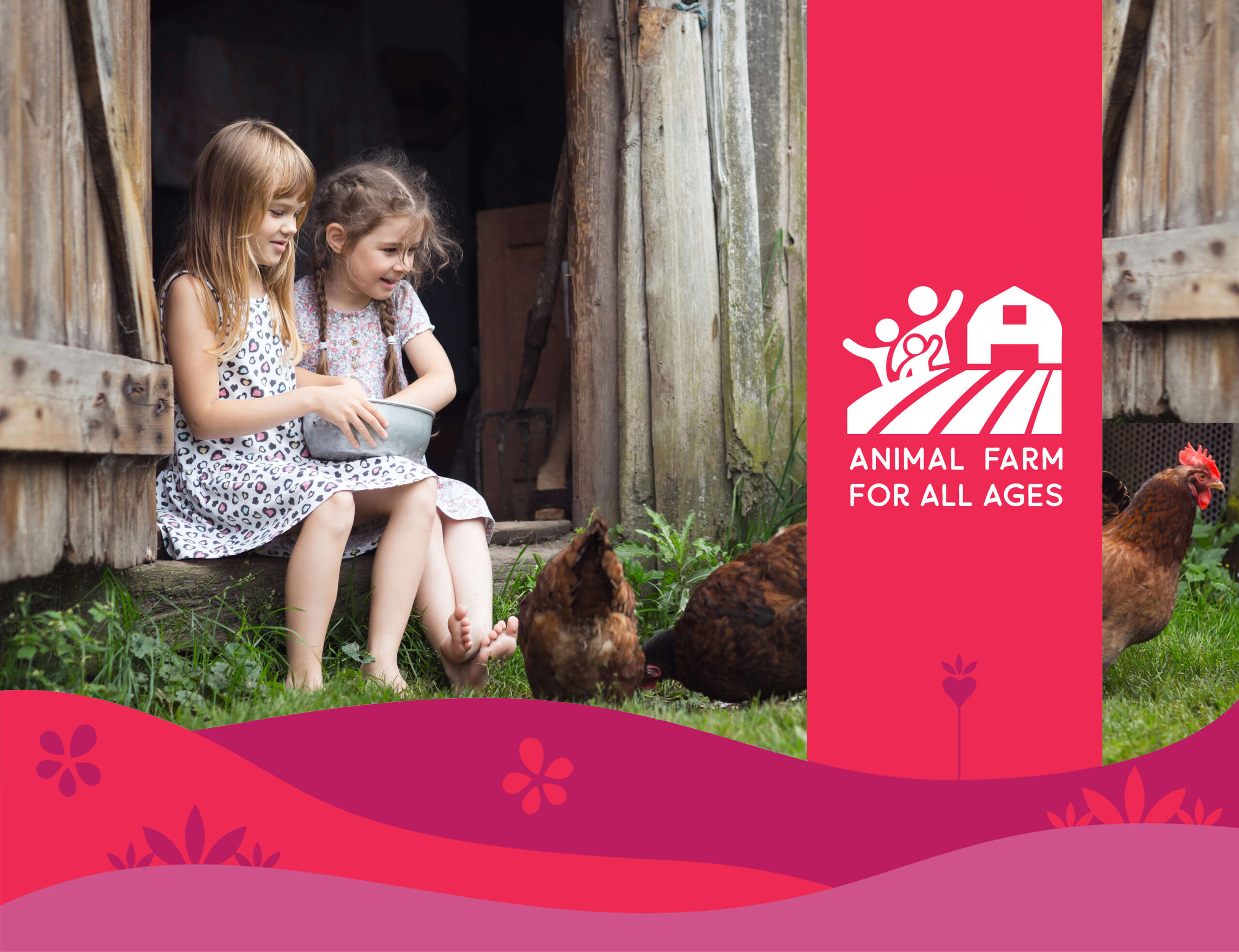
Our animal farm
make funny friends
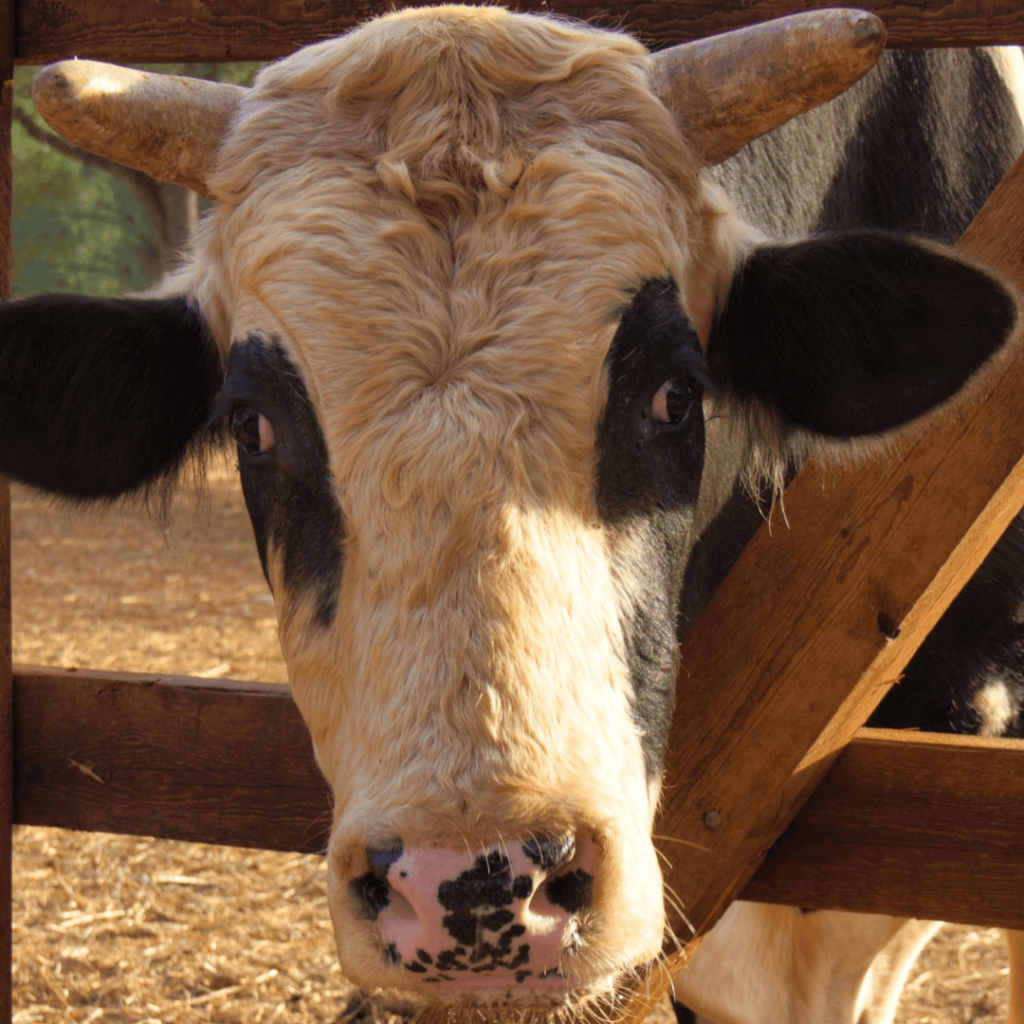
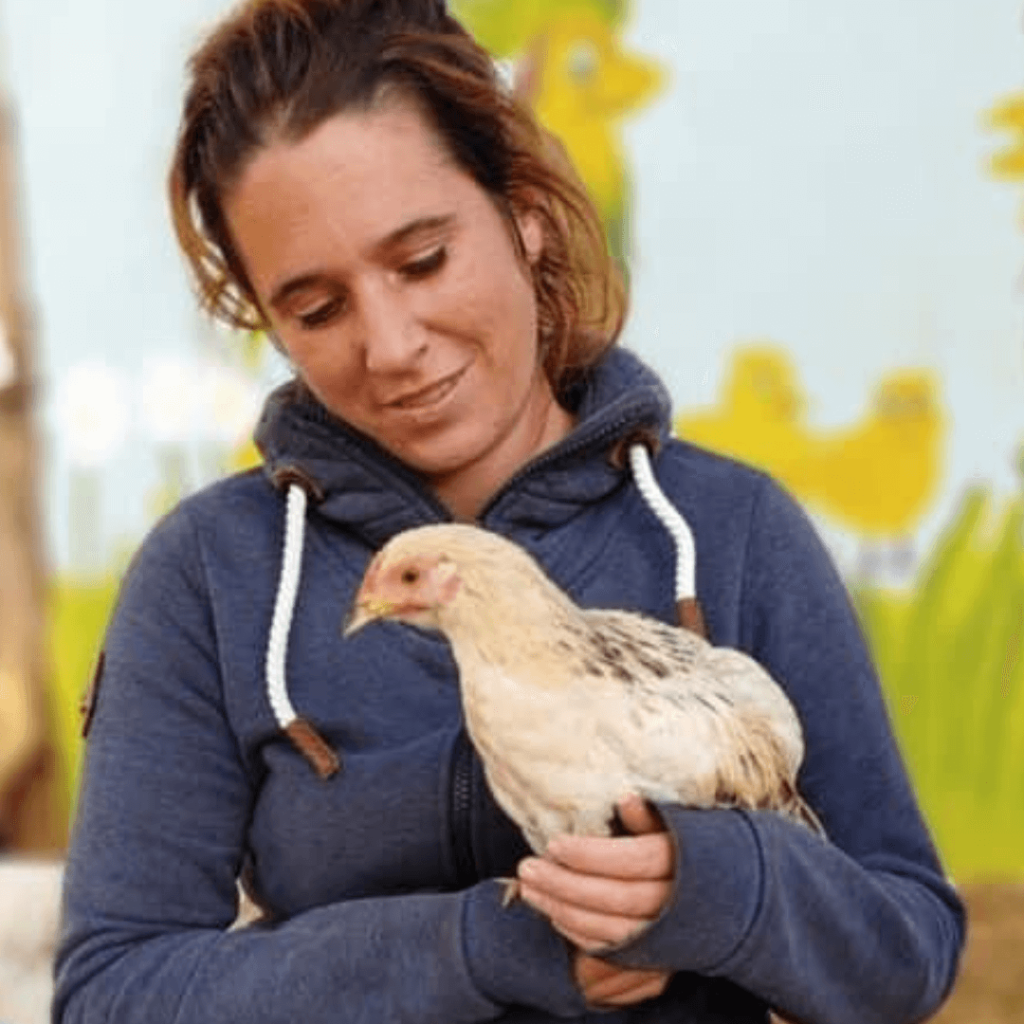
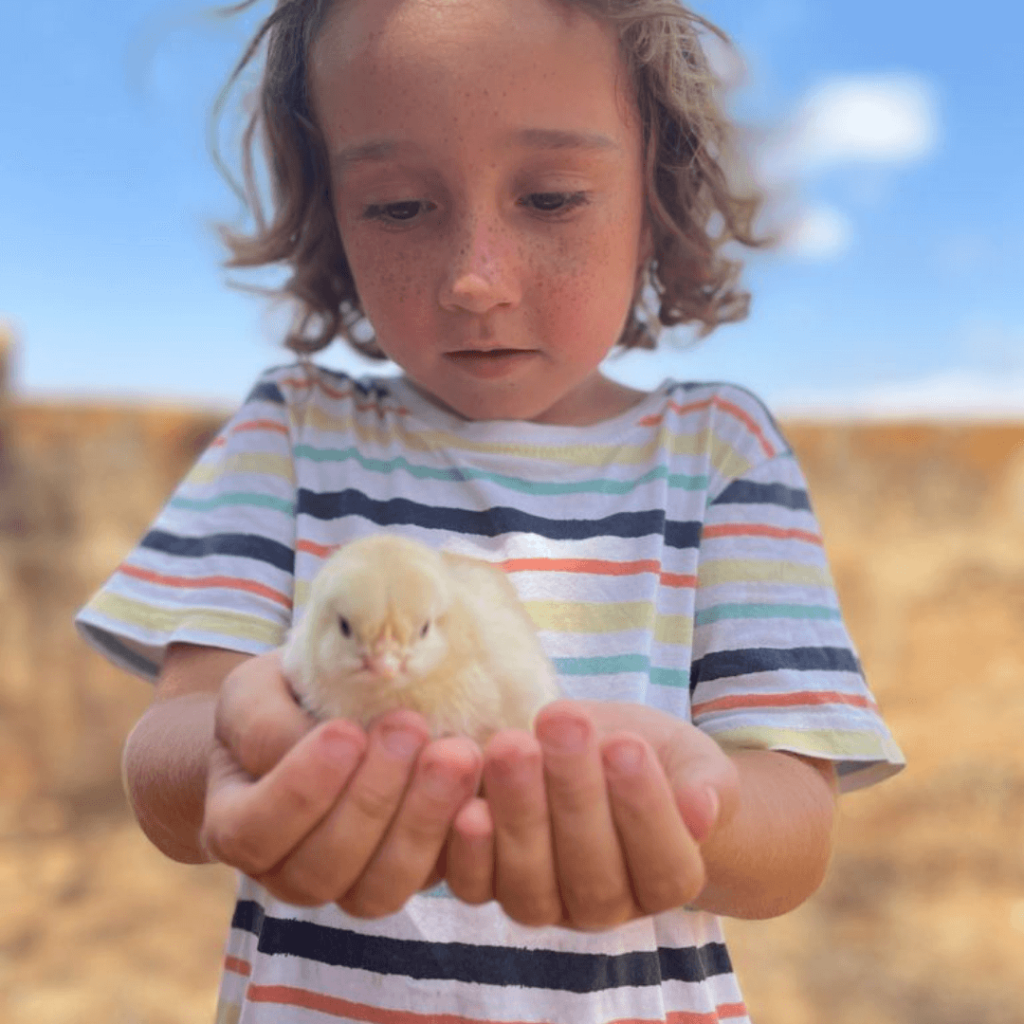
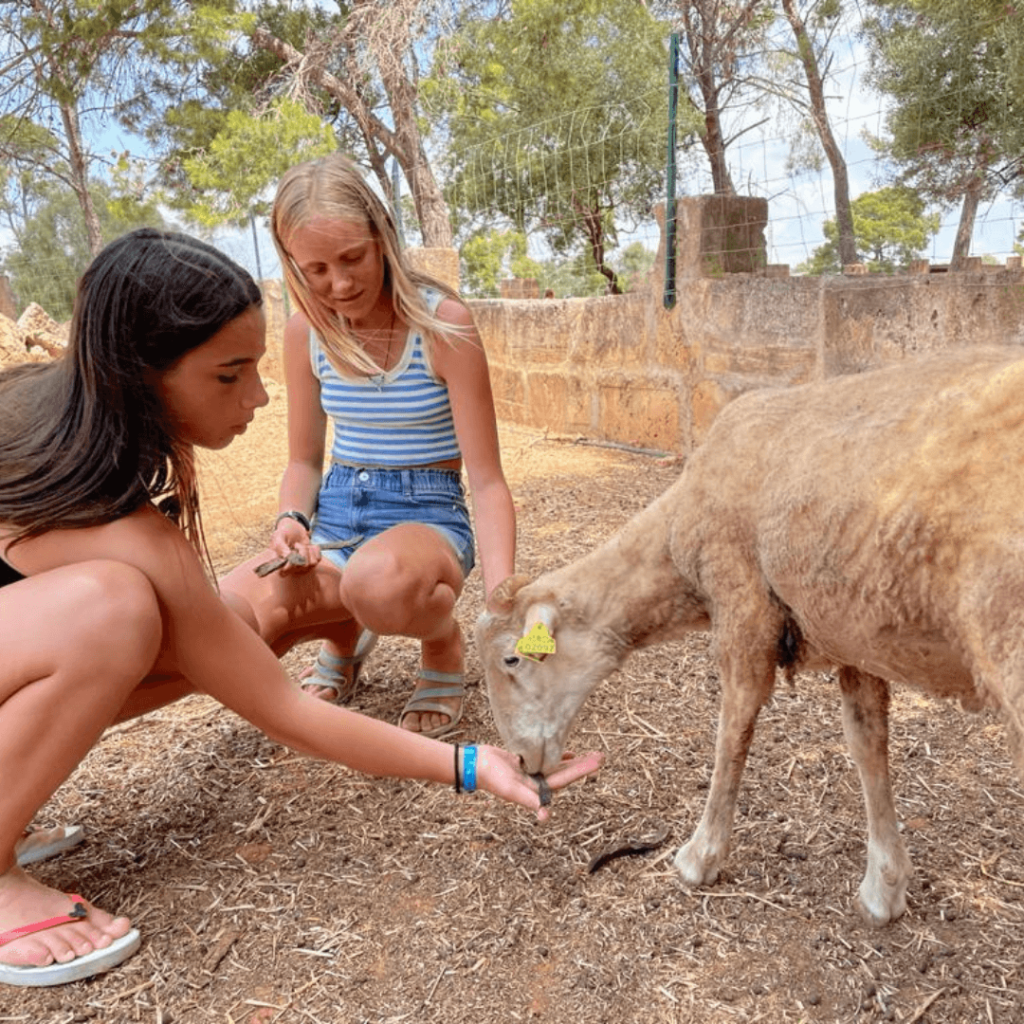
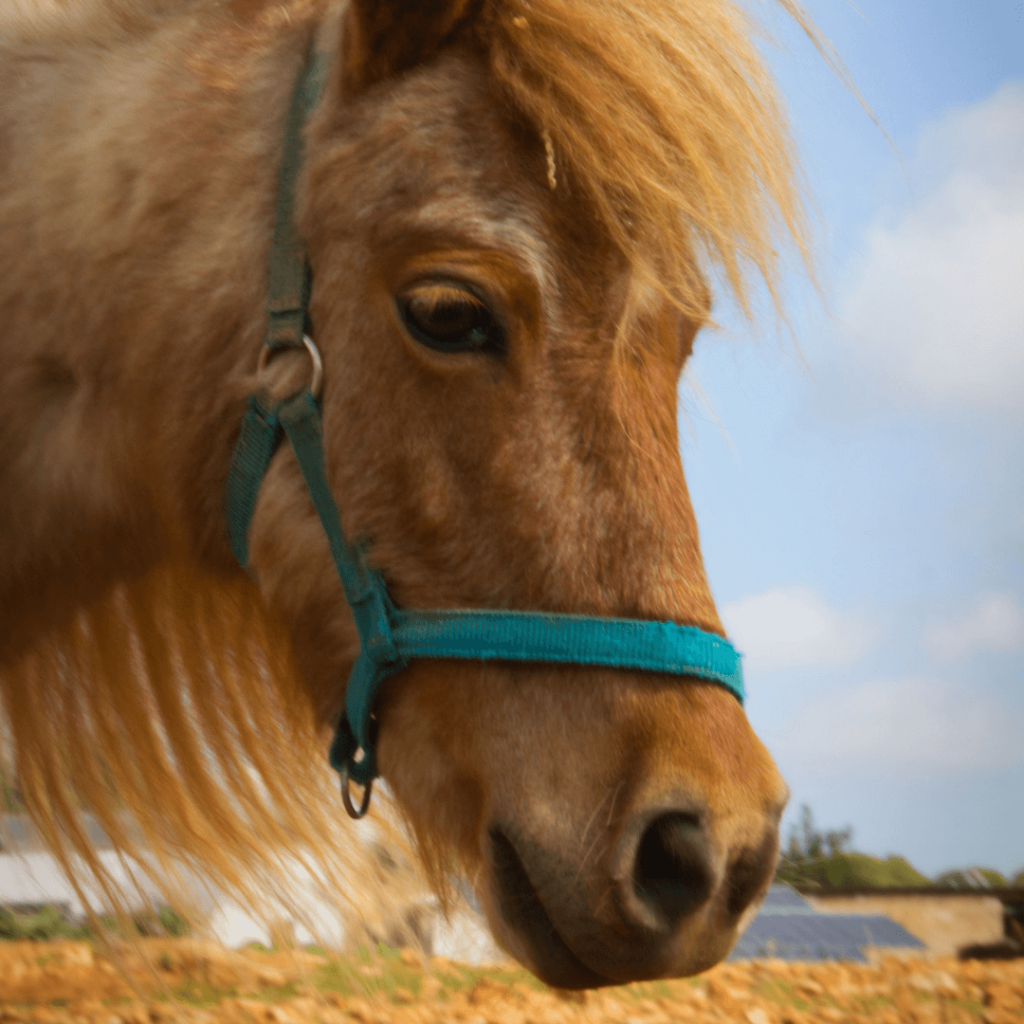
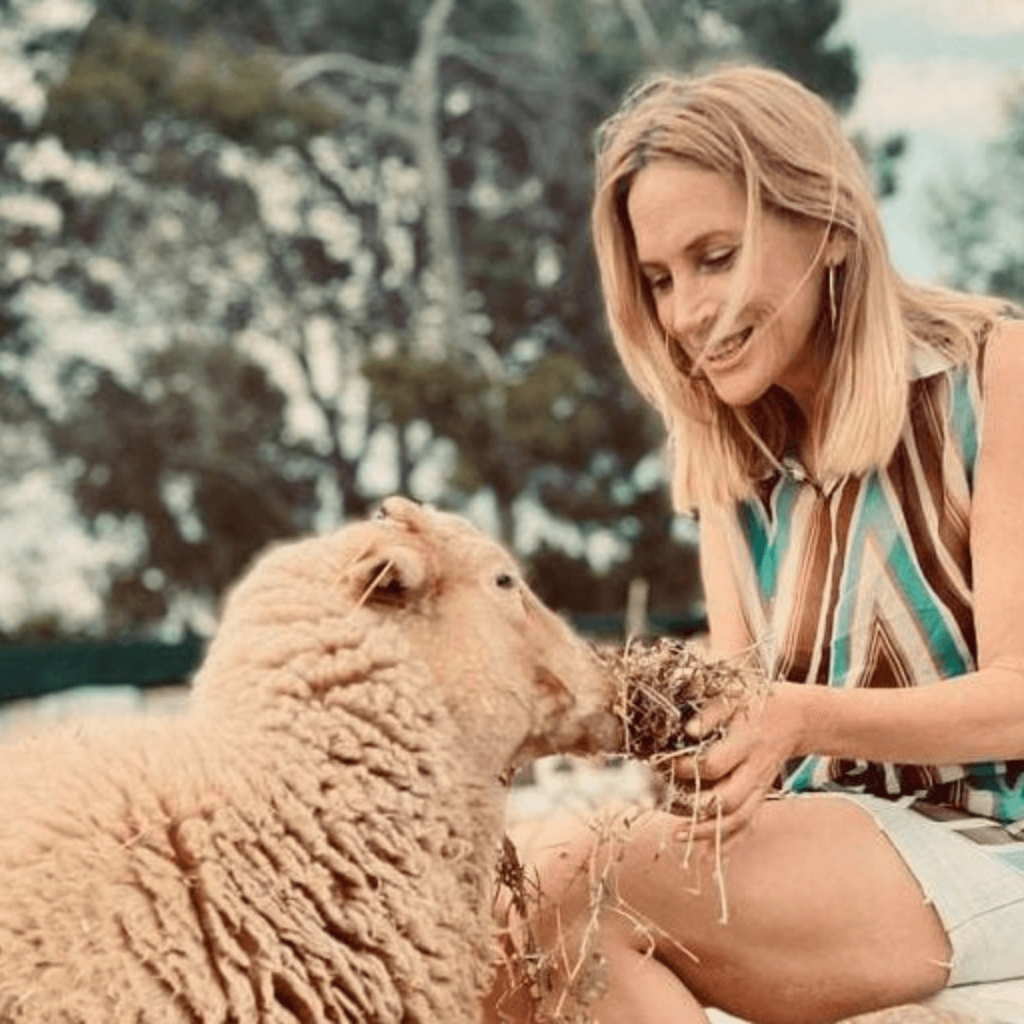
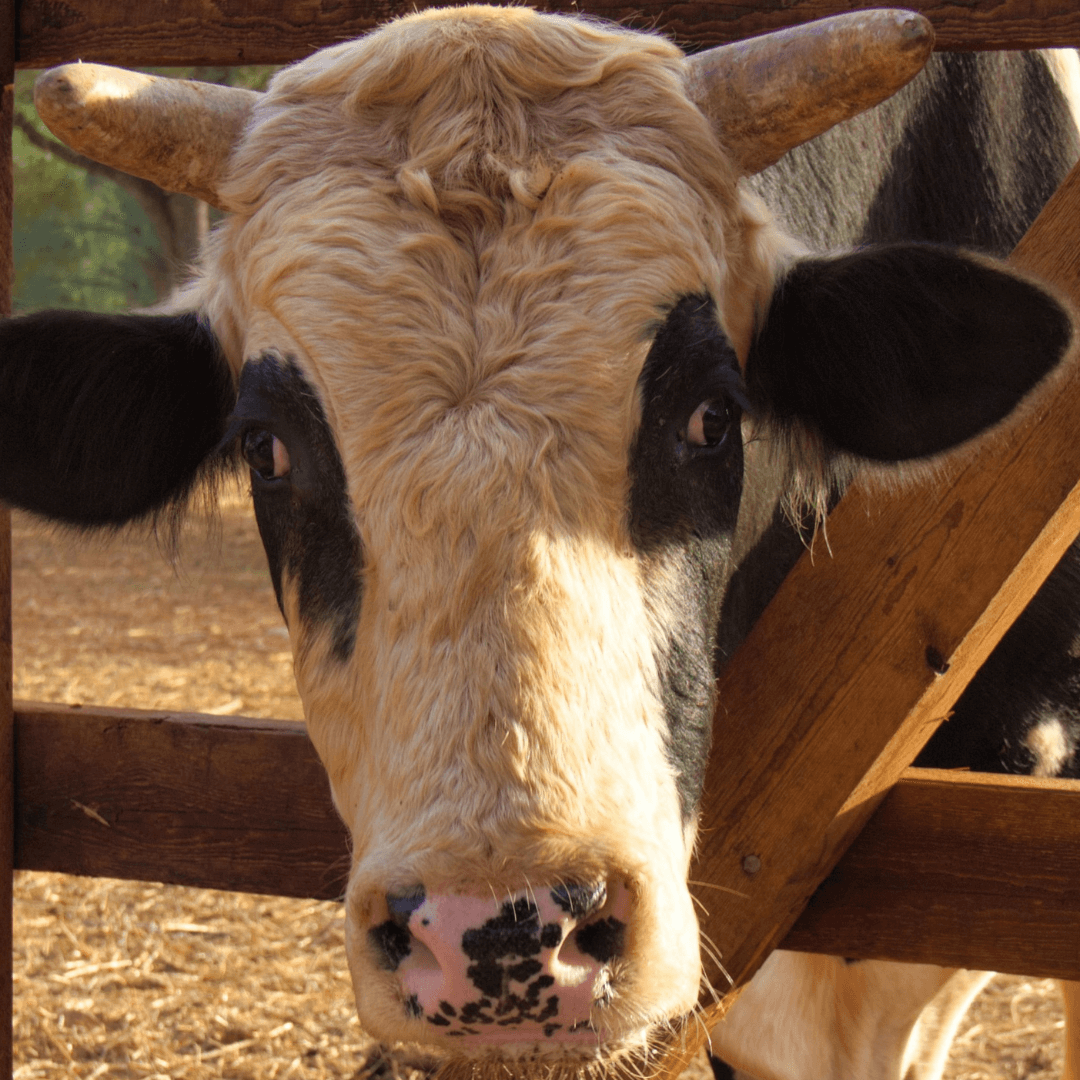
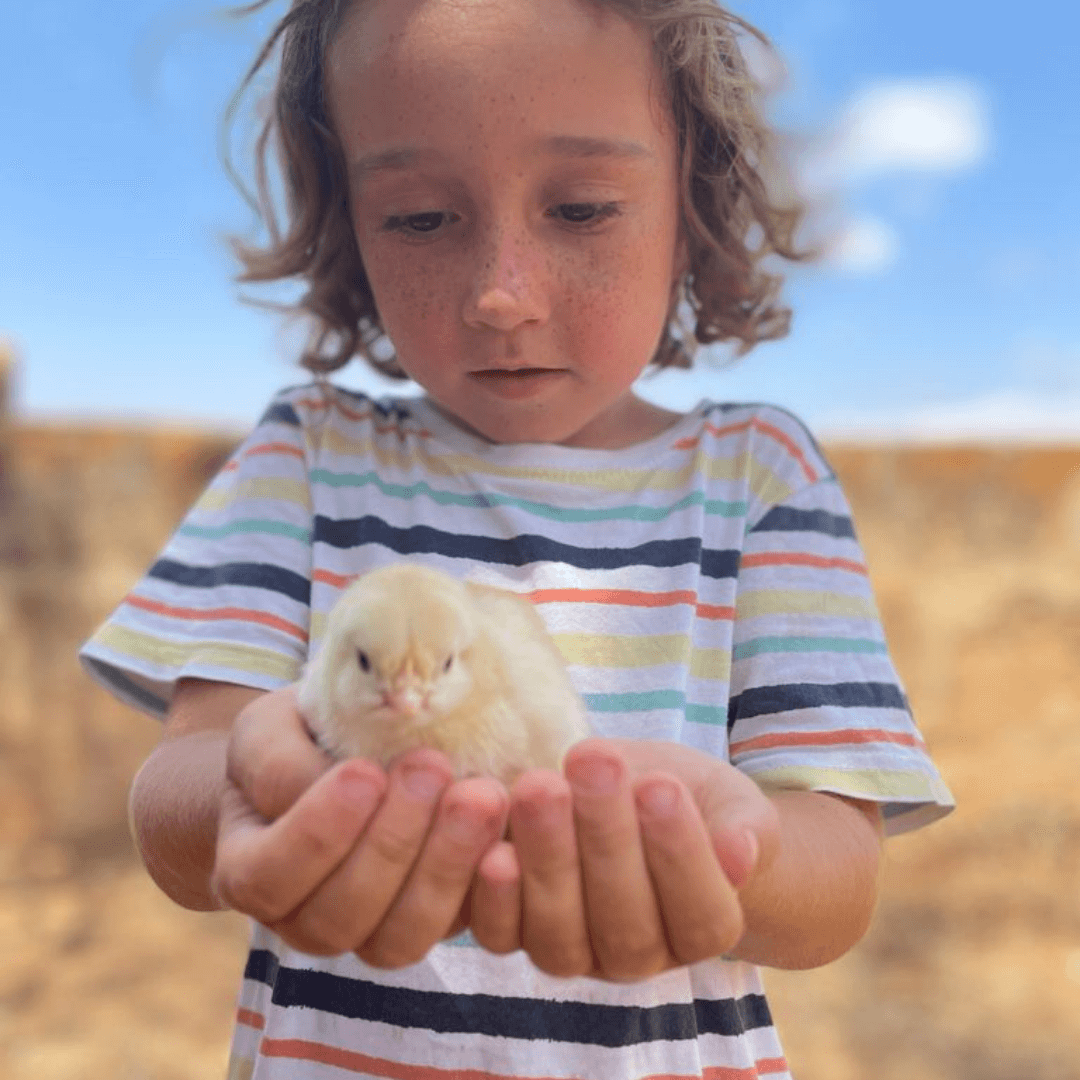
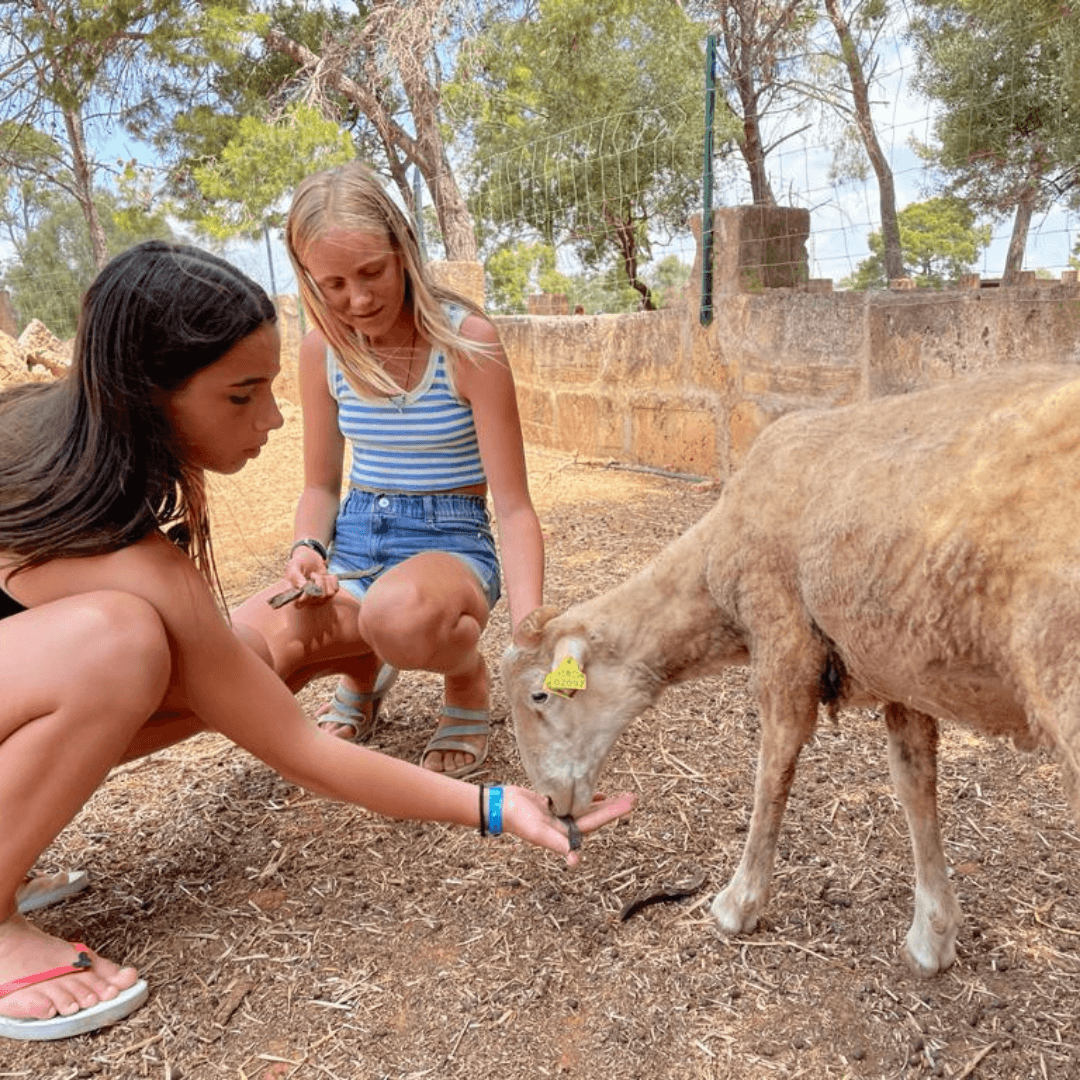
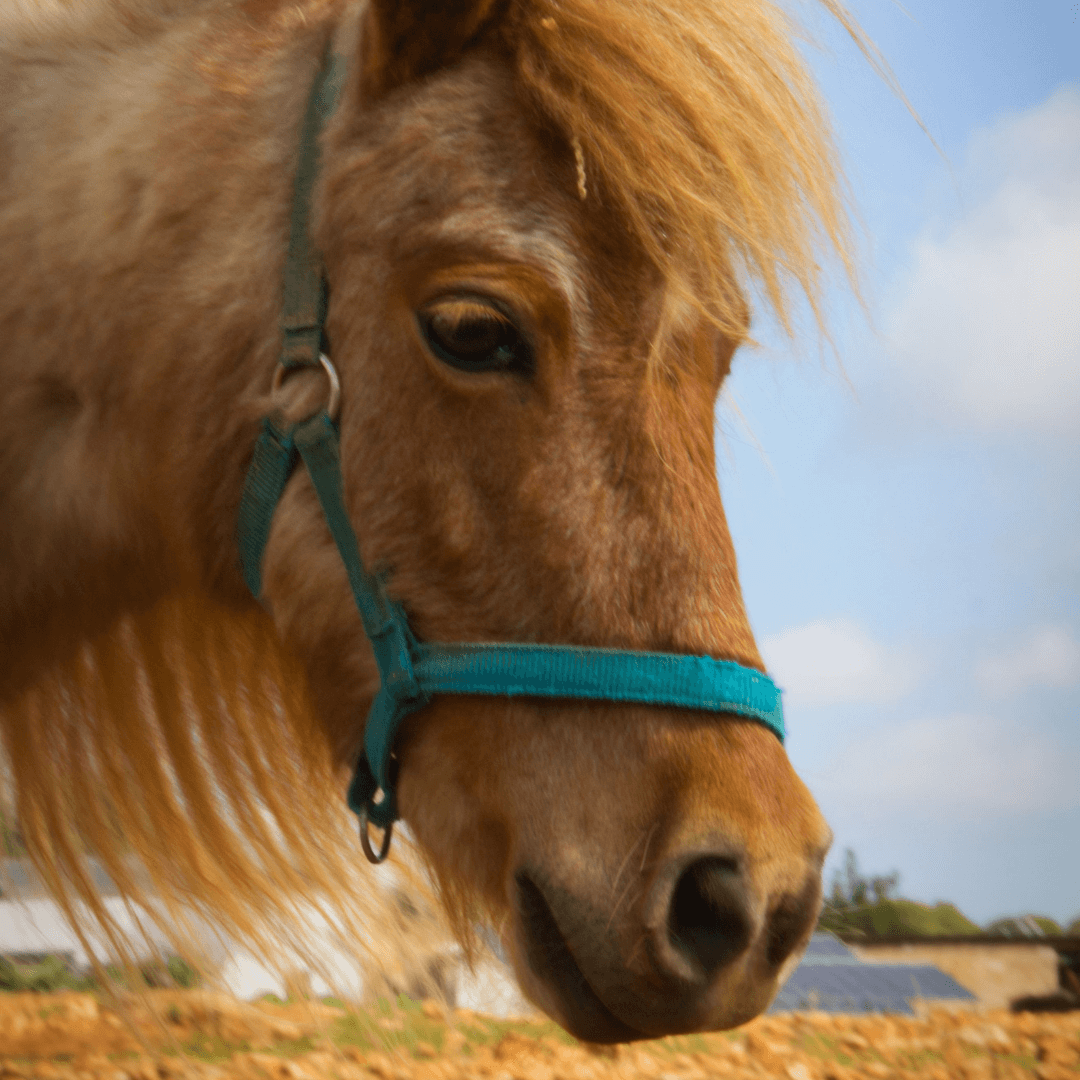
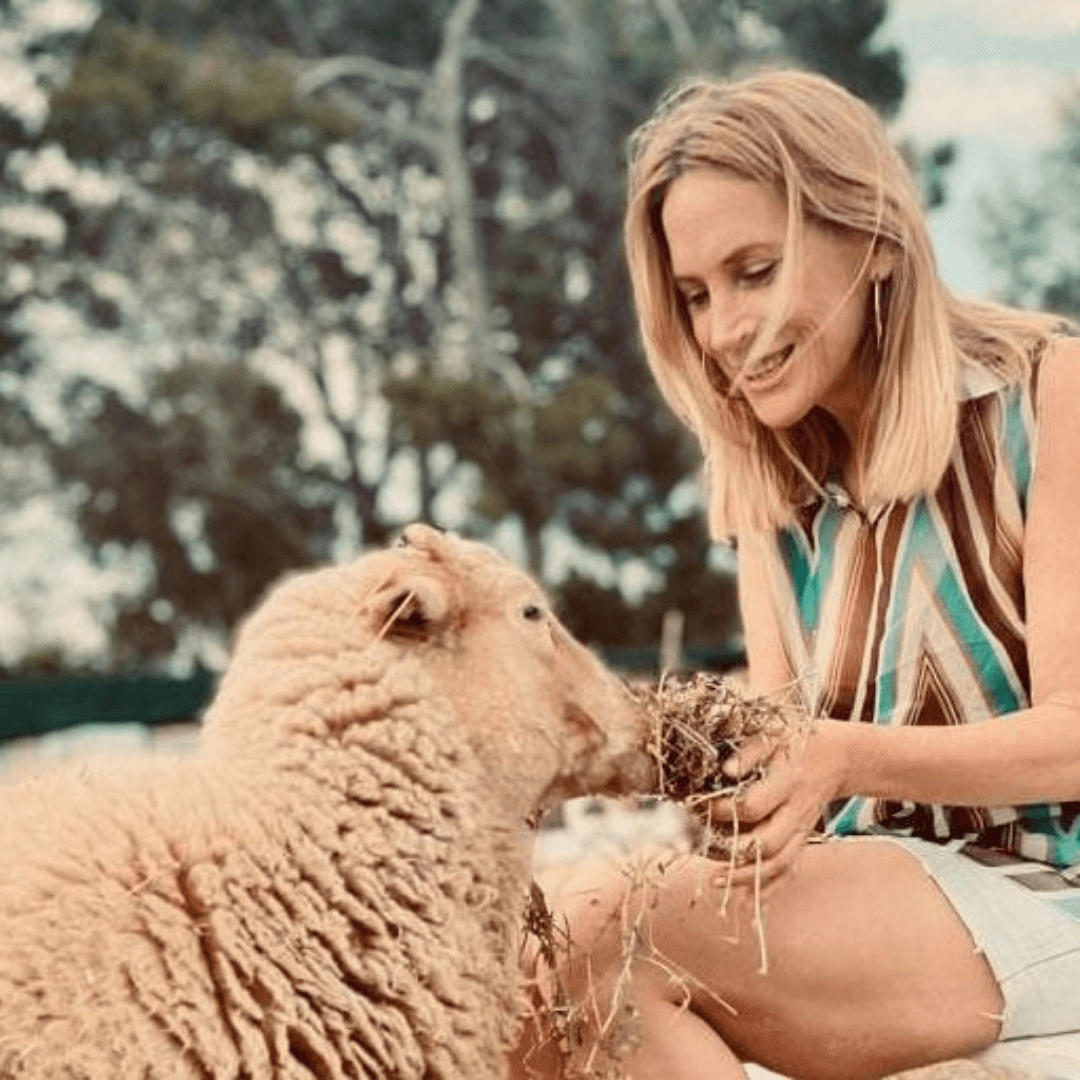
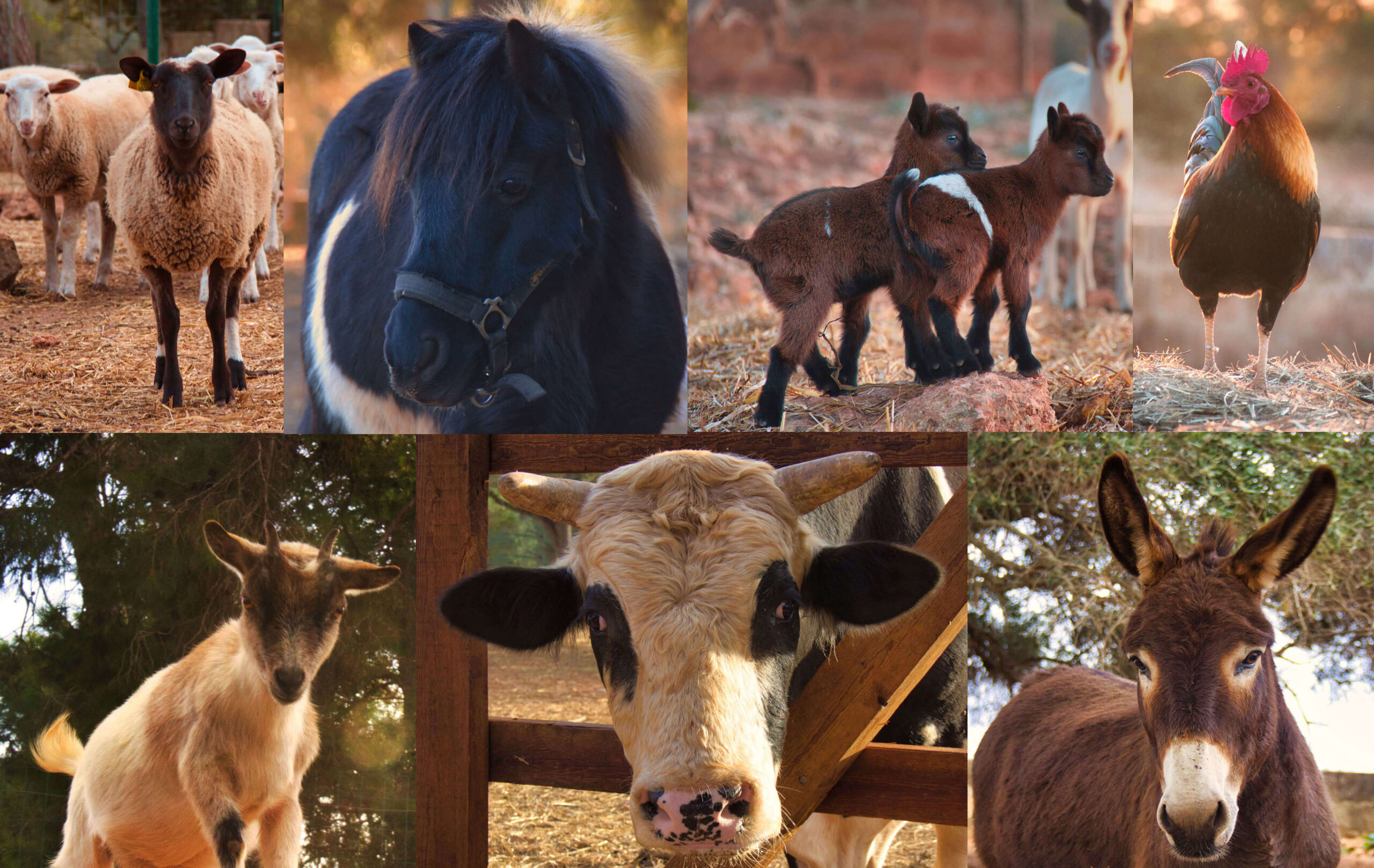
some of the faces you will meet on our animal farm
Rooster Welfare
the ethical initiative at our animal farm
Have you noticed that not only the hens live a relaxed life with us, but also their brothers, the roosters? Unlike industrial chicken farms, we do not sort out the male chicks. The “boys” are also very welcome in our feathered family. That’s why on our farm you can watch not only happy hens, but also happy roosters strutting around freely! Our Rooster welfare initiative, lovingly named “Not Without My Brother” is a unique approach to provide safety and welfare to both sexes of chickens. If you believe all lives have value, then look for the rooster initiative symbol on our chicken and egg products and feel good about supporting ethical animal products.
our educational animal farm
visit an exciting place full of amazing fun facts
See what special traits and abilities nature has provided our animals with. You might see them with different eyes on your next visit!
The ancestors of our goats come from Central and Western Asia and were domesticated more than 10,000 years ago. This makes them, together with sheep and dogs, one of the oldest domestic and farm animals. They were mainly kept for their milk, meat, fur and skin. Besides, they were also once abandoned in large numbers on uninhabited islands to serve as food for passing sailors. In Europe today, they are mainly kept for two reasons. On the one hand, their milk is processed into cheese. On the other hand, thanks to their voraciousness, they are suitable for clearing wild growth in pastures, torrents and forests. This way, they make an important contribution to preventing forest fires and floods. But before you start dreaming about having a goat in your private garden as a natural lawnmower, consider this: as herbivores, goats don’t distinguish between weed and your vegetable garden. And not even a fence may keep them from sacking, as goats have astounding climbing abilities. In some countries, by the way, goats have another task: their dung is used as fuel.
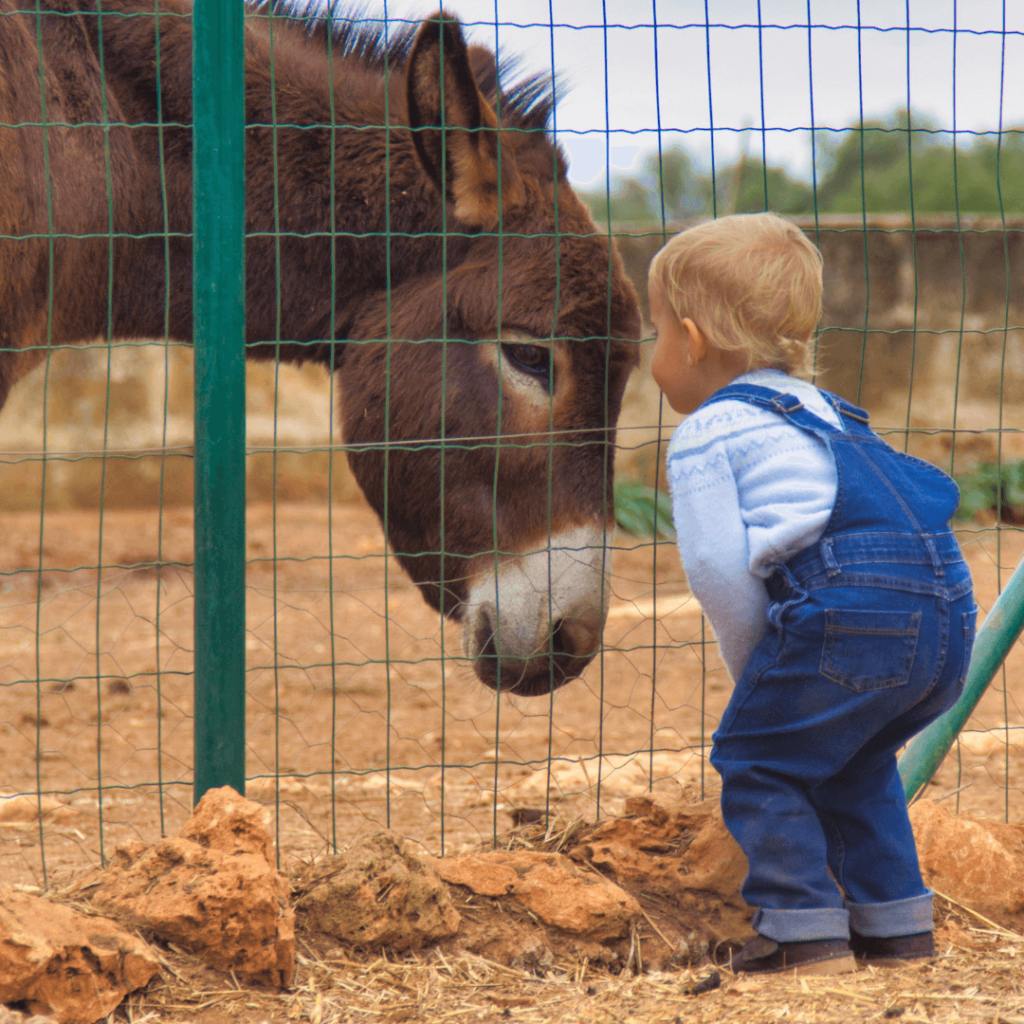
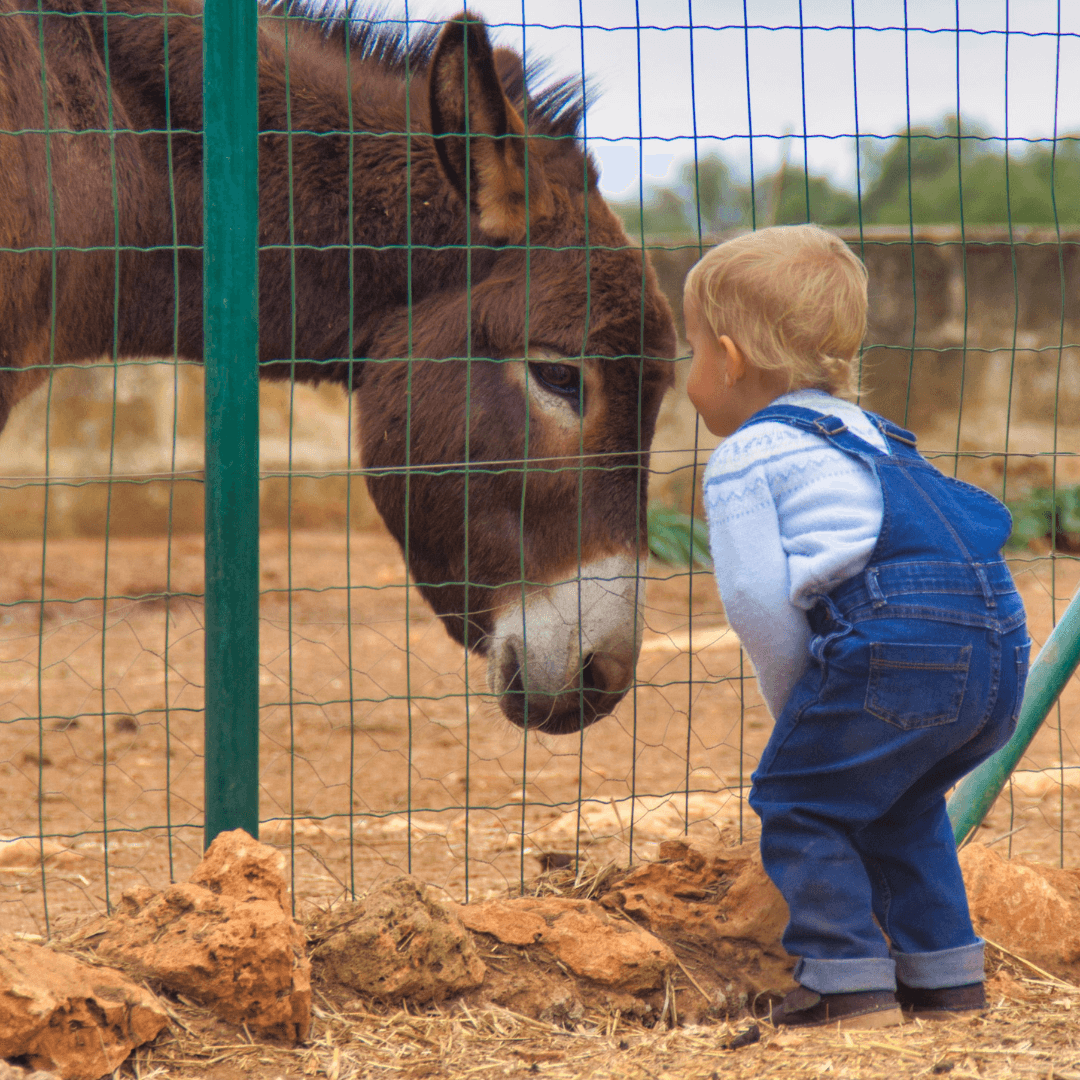
Although donkeys generally have a reputation for being stubborn, there is also something very romantic about them: once a pair of donkeys have found each other, they can have lifelong friendships with each other. And it can last a pretty long time, as donkeys can live up to 50 years! And why are they said to be stubborn? When a donkey senses danger or an obstacle in its path, it stops to weigh up the situation. Although this behaviour actually expresses uncertainty, we humans often misinterpret it as stubbornness. Anyway, donkeys are often underestimated. Thanks to their well-developed sensory organs, especially ears, eyes and nose, donkeys perceive a potential enemy much earlier than other animals. On Mallorca, by the way, donkeys have a very special job: before the rainier months begin, they are sent into torrents to clear the wild growth. When the rainy season starts, the water coming down from the mountains can run off better and does not lead to flooding. So donkeys are excellent natural landscape maintainers.
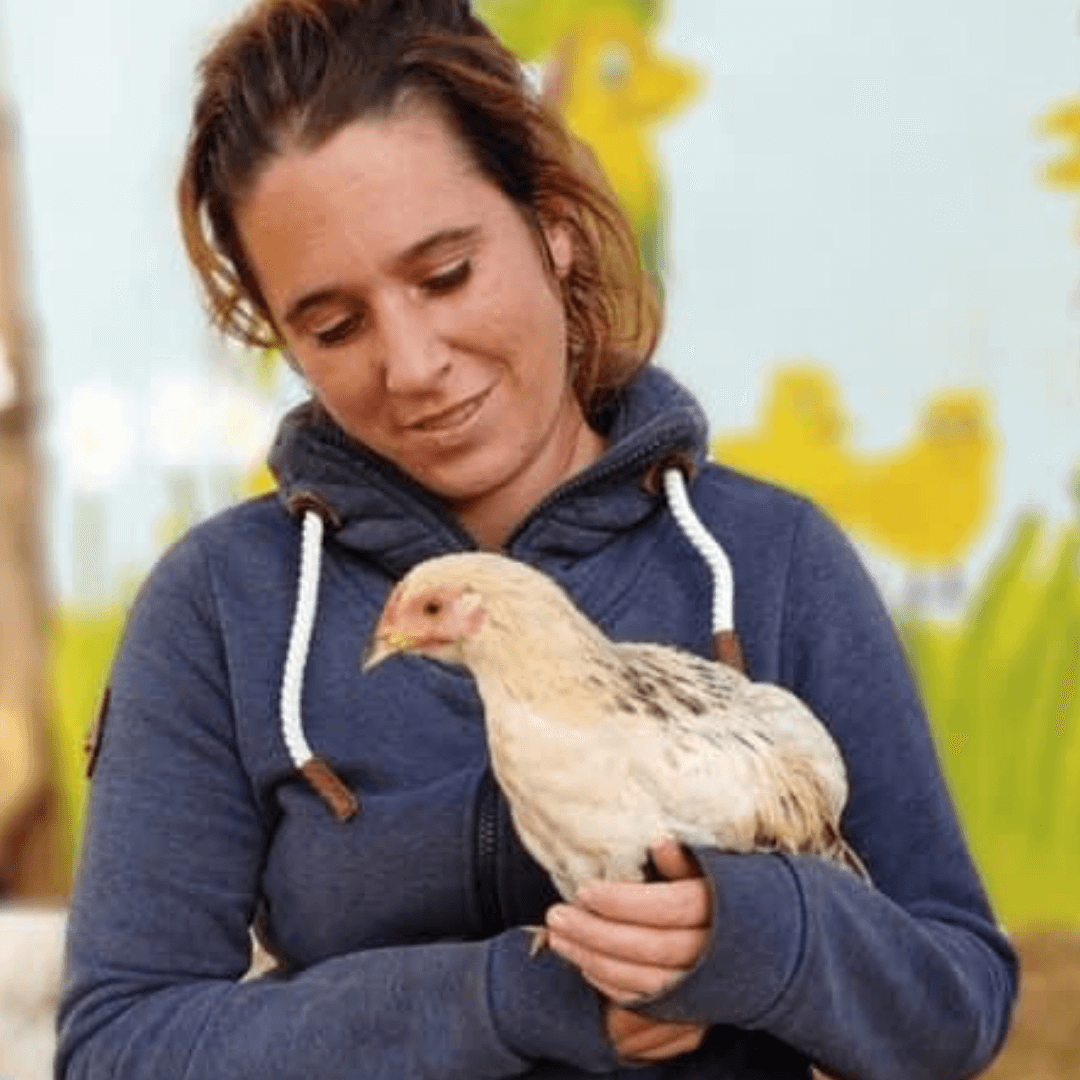
You can see chickens of all sizes on our farm: from chicks to happy hens to proud roosters. But did you know that they are living descendants of the once most feared dinosaur Tyrannosaurus Rex? You can tell that by having a look at their feet! Our chickens are, of course, peaceful domestic chickens that have been used to humans from an early age. They enjoy being fed and simply stepping around picking grains from the floor. Among themselves, by the way, chickens have a fixed ‘pecking order’. This means that there are always more dominant chickens and roosters who claim to have priority over the food and set the tone in the group. The Romans once gave them their Latin name ‘Gallus Gallus domesticus’ because of their habit of crowing in the early hours of the morning. The Latin word ‘Gallicinum’ refers to the hours between midnight and sunrise. And why do roosters crow at all? They use it to mark their territory. Since the ancestors of today’s domestic chickens once lived in densely overgrown jungle areas, it is assumed that they got into the habit of crowing to let other roosters out of sight know that they were in charge of their territory. This is how crowing back and forth still occurs in rural areas today. In this way, the cocks, which incidentally have a fine sense of hearing, can estimate at what distance a possible rival is located.
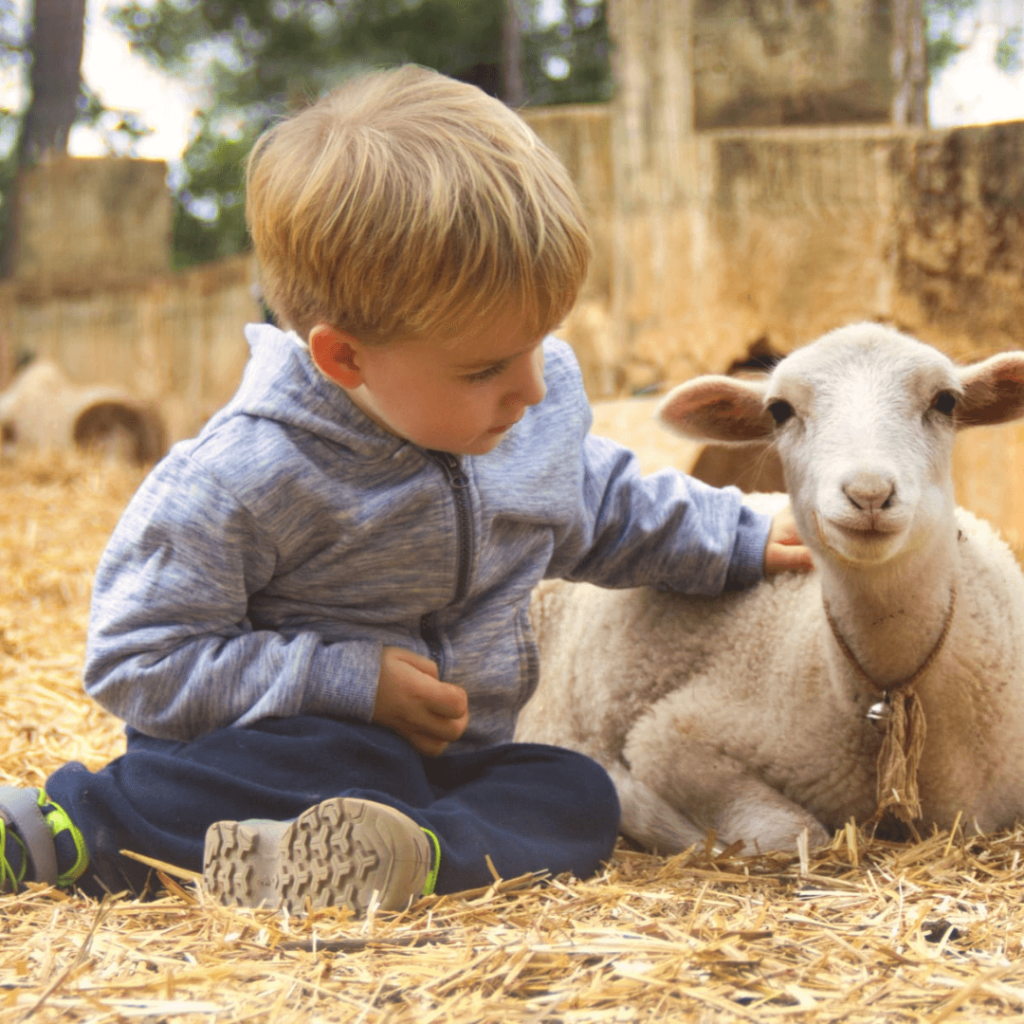
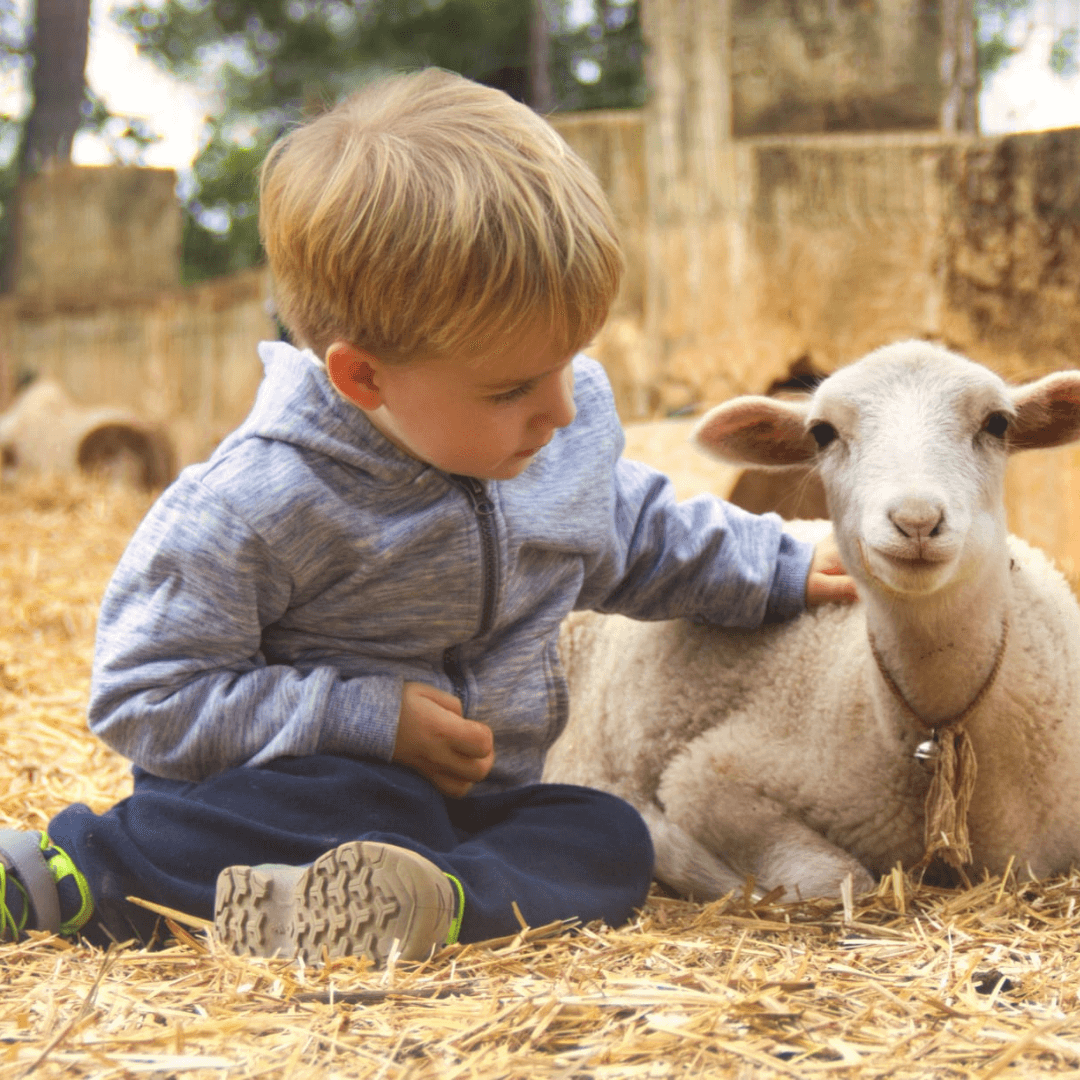
Sheep, and especially little lambs make us want to cuddle them right away when we meet them. Once you stroke their fur, you will notice that it is not only very fluffy, but also feels a little greasy. This comes from lanolin, a fat produced by the skin glands. It protects the wool from getting wet. Even in the heaviest rain, the sheep’s undercoat stays nice and warm and dry, so don’t feel sorry for a sheep standing in the rain. Their well-developed sense of smell and good hearing also make it easier for sheep to live in the wild. Since they live in flocks, it can happen that a little lamb loses sight of its mother. To find each other, they ‘bleat’ their way back together. A newborn only has to hear its mother’s voice once to recognise her. The mother sheep, by the way, also recognises her own lamb among all the other lambs by its unique smell. And the male sheep, the ram, also has a good nose: he can smell a female at a distance of 300 metres!
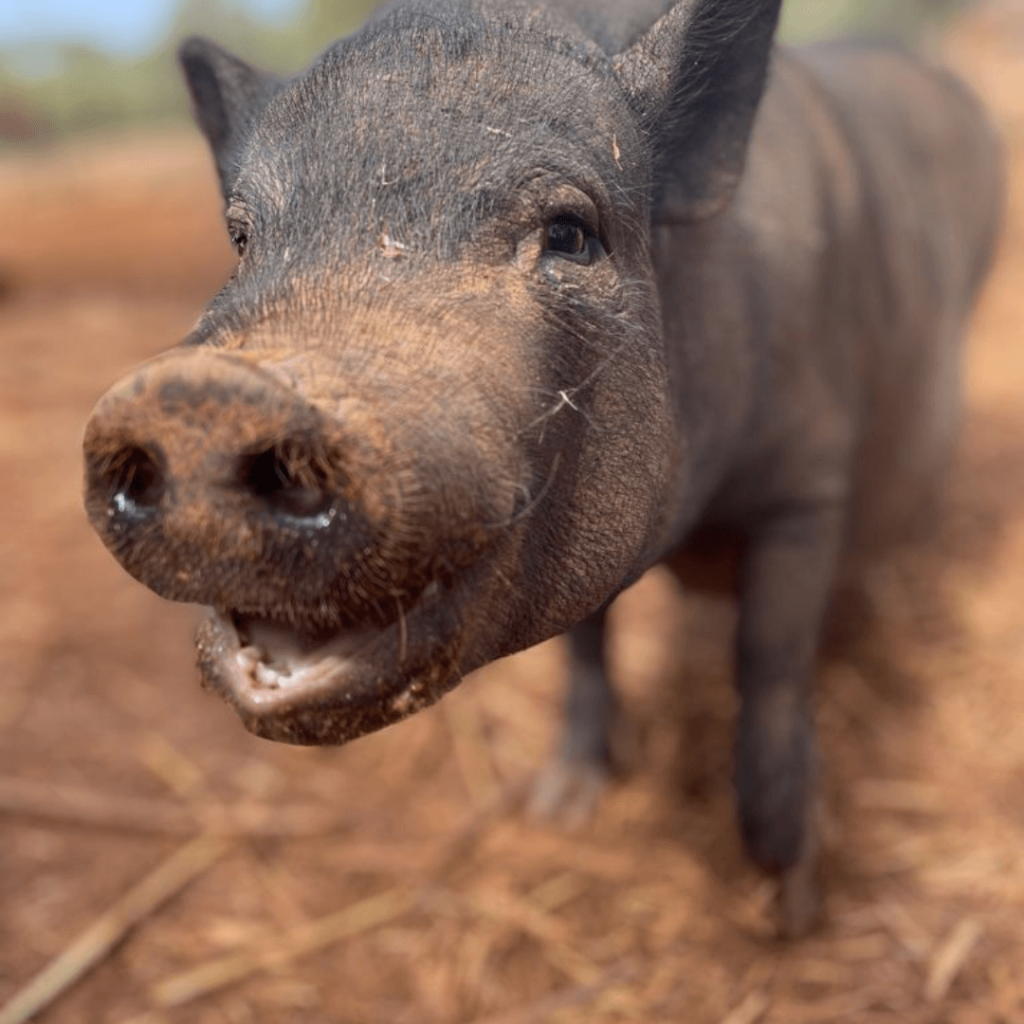
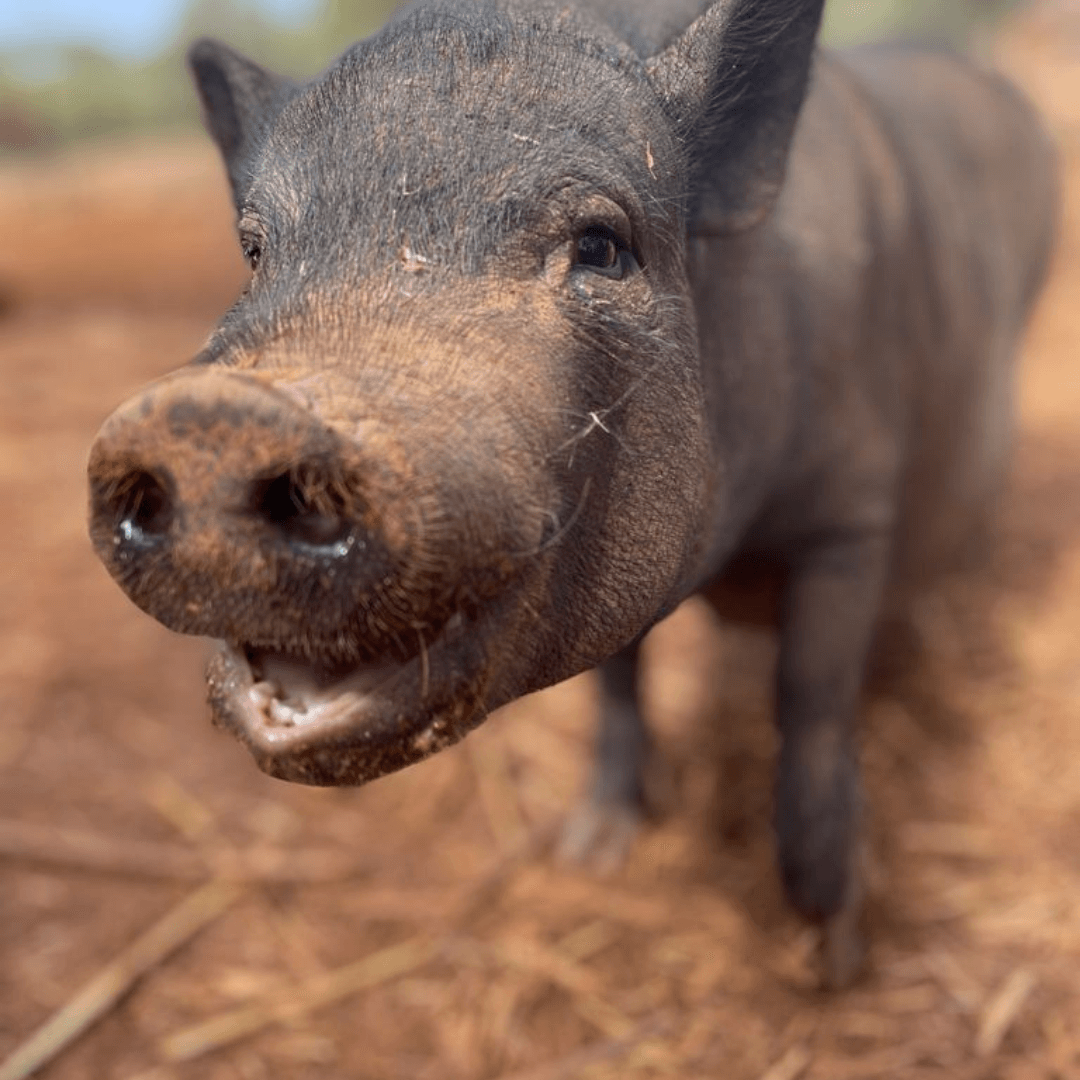
You will find real smarties on our animal farm when you enter the enclosure of our pigs. A pig can learn commands such as “sit” or “come”, it can learn to listen to its name and it’s able to remember words and objects years later. Pigs’ passions include playing with their mates, lying lazily in the sun and taking a bath to cool off in high temperatures. Pigs, unlike us, cannot sweat. So they regulate their body temperature by rolling around in mud or water. Also, contrary to what they are said to be, pigs are extremely clean contemporaries. They even make an effort not to contaminate their sleeping and eating places. And did you know that pigs feel the environment with their snout?
On our farm you’ll also meet different kinds of ducks. One particularly fascinating ability of these feathery fellows is that they can sleep with one eye closed and one eye open. Have you ever tried this? Ducks live together in flocks. If all of them were deeply asleep at the same time, none of them would notice when an enemy approached. To protect the group and still get the sleep they need, ducks have developed the ability to shut down one half of their brain. Those ducks that have sought a roost at the edge of their group keep the eye facing outwards open and the eye facing their mates closed. This way they remain alert and protect the members of their group without having to give up their own night’s rest. Isn’t that a beautiful proof of friendship?
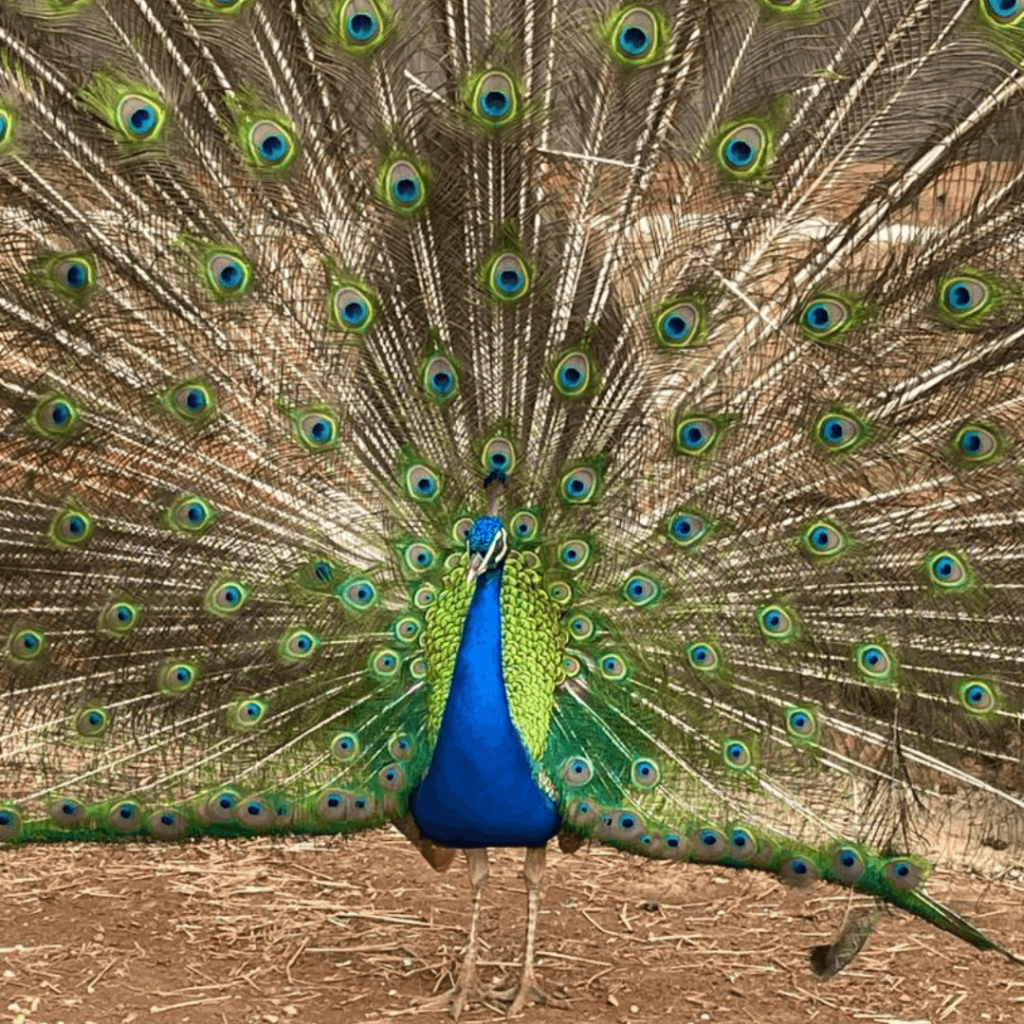
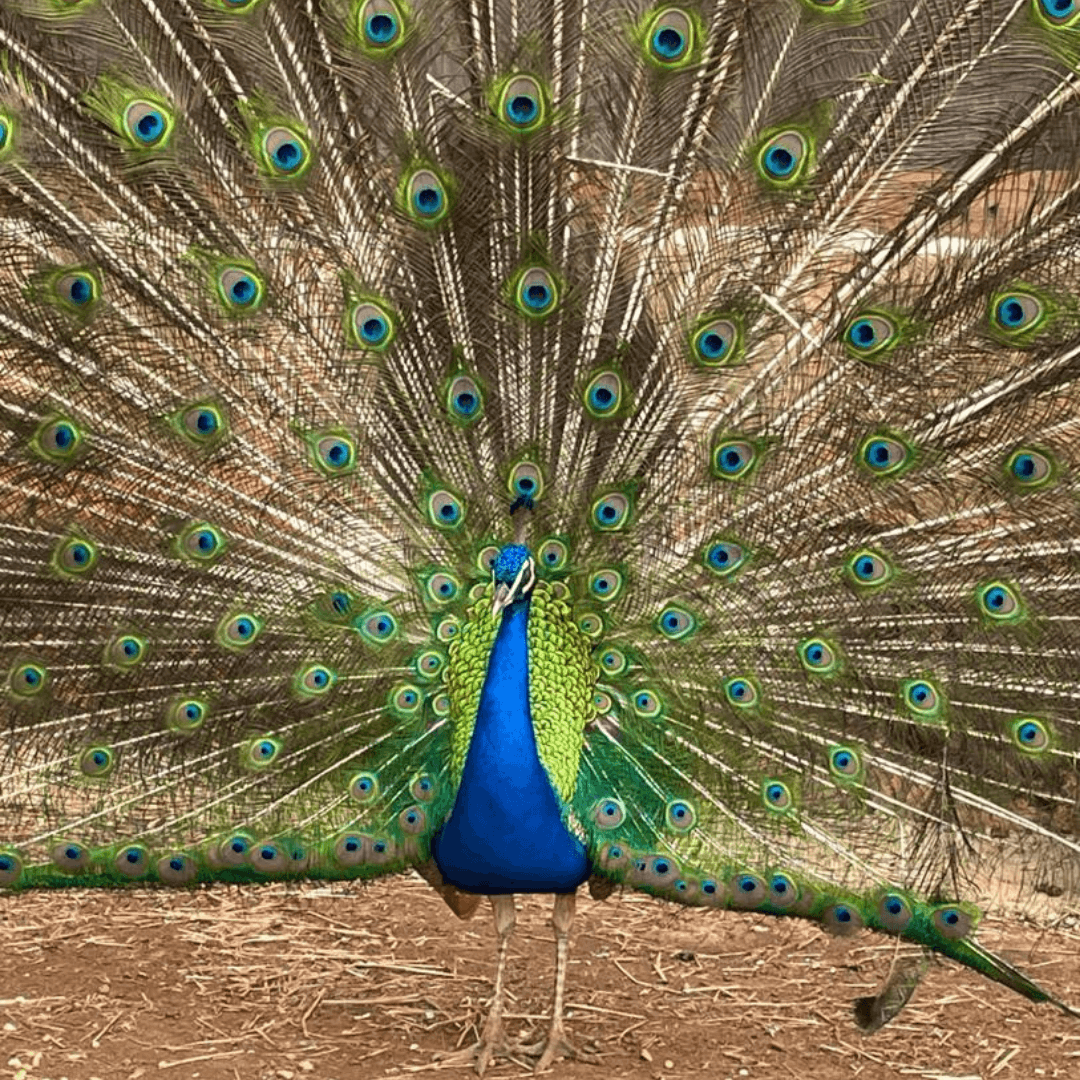
Without doubt, our male peafowls are the biggest show-offs on our animal farm. They are anything but modest when it comes to showing who wears the most magnificent feathers of all. Their elongated tail feathers can reach a length of up to 160 cm! But that’s not all: these feathers form a long train that fills up with up to 150 feathers by their third year of life. In the adult peafowl, each one of them is adorned at its end with a colorful heart-shaped spot. When it comes to impressing a hen, the male sets up this train, transforms it into an imposing wheel of feathers and then slowly turns on its own axis. Younger male peafowls, whose train is not yet fully grown, get the short end of the stick and are hardly given a glance by females willing to mate. You might be lucky enough to observe this impressive spectacle with your own eyes during your next visit.
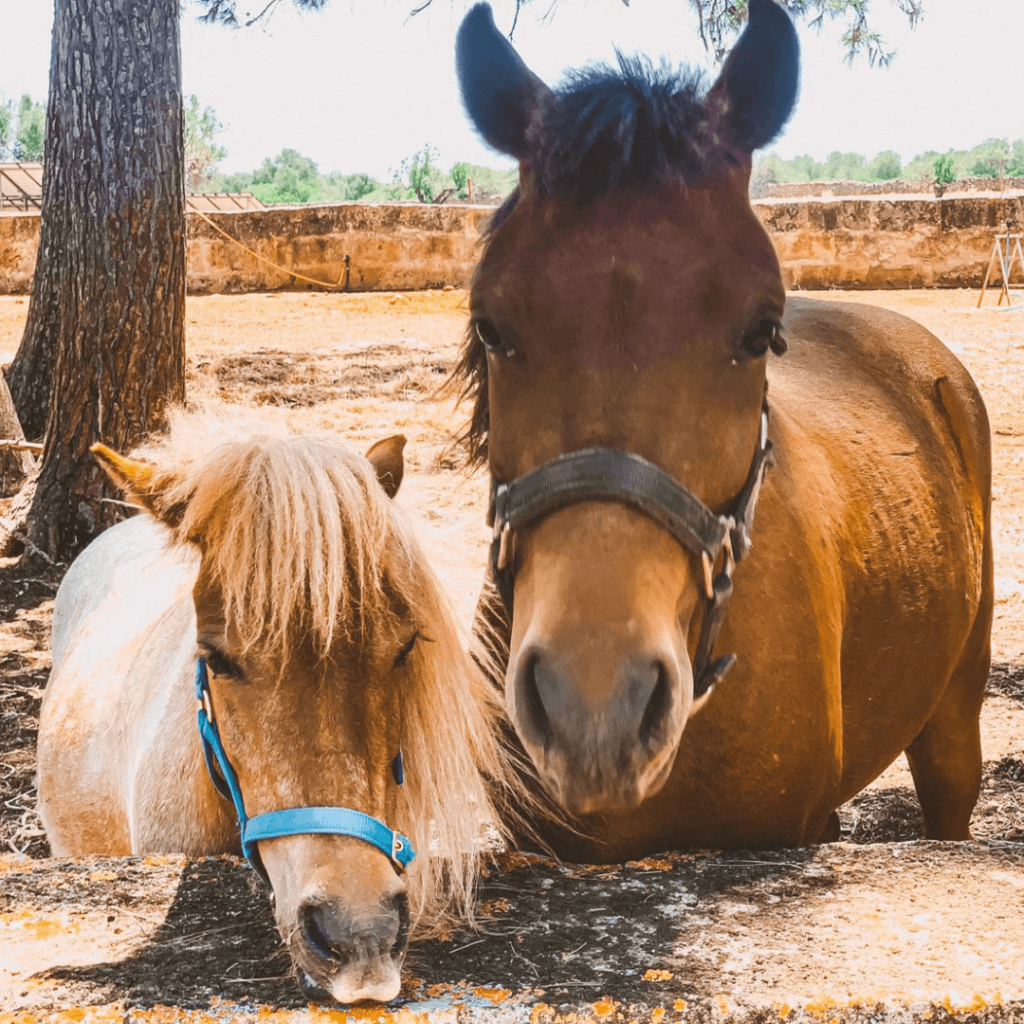
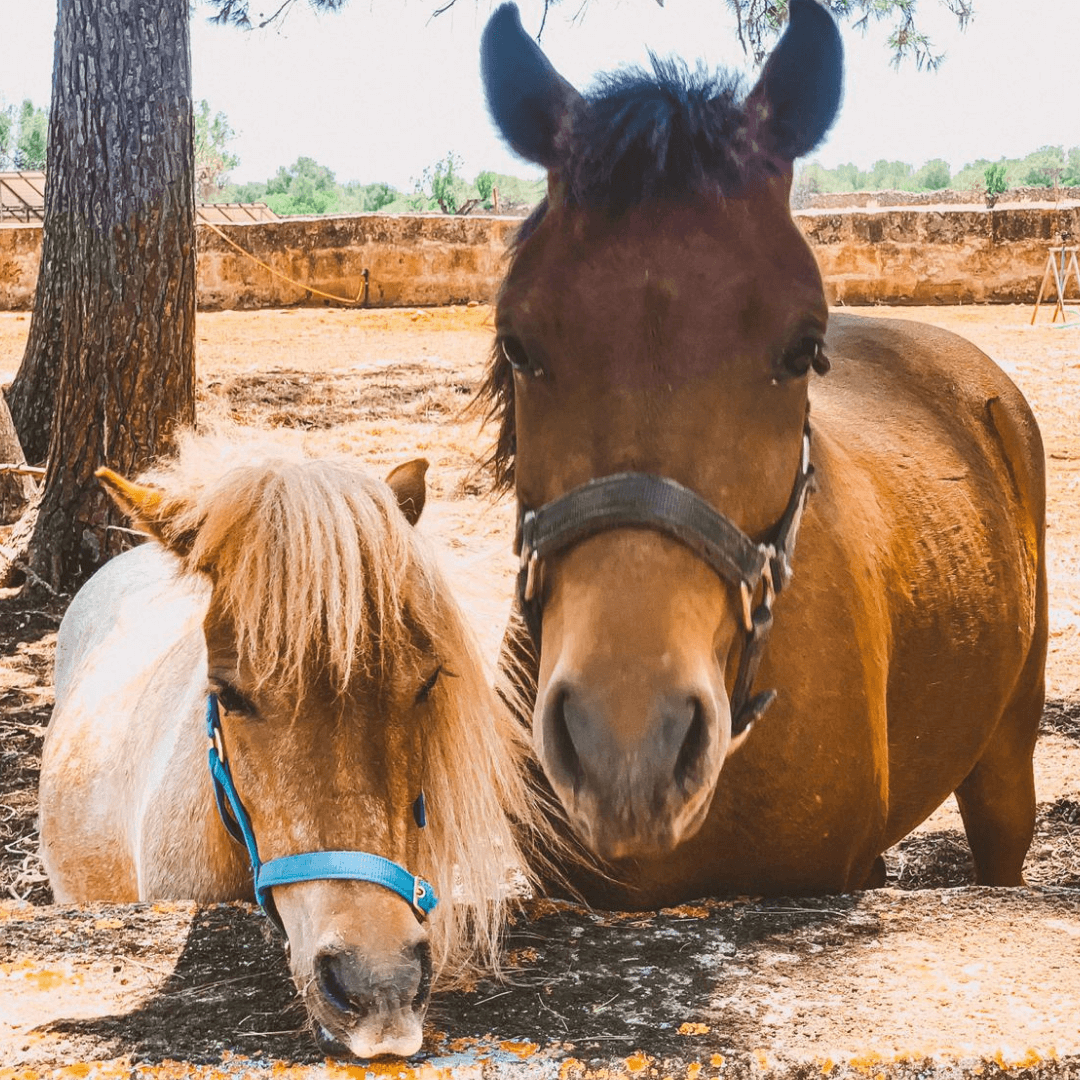
You will get to know our ponies especially well if you take one of our pony workshops or go on a little pony tour with them. But there are also exciting things about them that you don’t see at first glance. For example, ponies, like horses, have extraordinary eyesight. Unlike us humans, their eyes are not in the front, but on the side of their head. As flight animals, ponies and horses are exposed to the danger of predators in the wild. Many predators sneak up slowly from the side. With their eyes placed at the side of their head, ponies and horses can see predators more quickly. On the other hand, horses and ponies have monocular vision which leaves them with a blind spot in front of their nose. In order not to frighten your fellow, always approach it at an angle, never directly from the rear.
Who wouldn’t like to have their own cuddly dwarf rabbit at home? But before you get one, there are a few things you should know about them: Rabbits like to be petted. When they feel comfortable, they tend to grind their little teeth. This is similar to the way a cat purrs. However, you can hardly motivate them to grind their teeth if you pick them up: the little rodents are flight animals and feel insecure if they do not touch the ground with all four paws. By the way, rabbits are real racers. As small as they are, they like to travel at speeds of up to 40 km/h. In a small cage, they do not have the chance to do this. A rabbit therefore needs at least 2 m2 of outdoor space to let off steam every now and then. In addition, rabbits are very sociable animals. They tend to become sad being alone, and you won’t be with your pet all day. So before you get a rabbit, think carefully about whether you can offer him enough exercise and the necessary company. A lonely rabbit in a small hutch is like having to stay in your room without being allowed to play outside with your friends.
The ancestors of the guinea pigs that you can visit on our animal farm are small South Americans. They were native there before Spanish sailors brought them across the sea to Europe. The Spanish associated their squeaking sounds with those of the domestic pigs they already knew. In fact, these cute herbivores that we like to keep as pets today are related to the world’s largest living rodent, the capybara. And like their bigger ancestor, guinea pigs are very social animals that enjoy living together in pairs or groups. Like rabbits, guinea pigs reproduce extremely rapidly. Guinea pigs are precocial animals. They are born well developed with fur, teeth and open eyes. They can see, hear and move around and feed on their own immediately after birth.